Dried Cow Dung Cakes
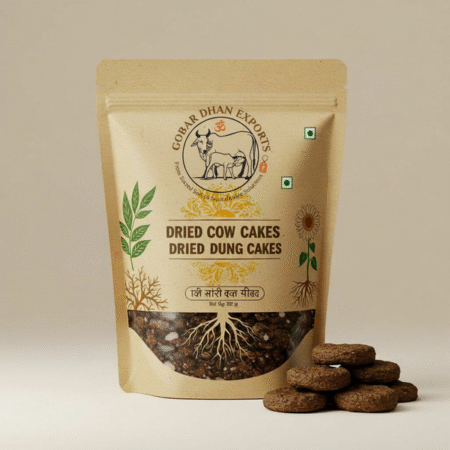
The cakes are traditionally made by hand, primarily by women in rural areas. The main ingredient is the fresh excreta, or gobar, from bovine animals (cows or buffaloes). To improve strength and ensure a slow burn, the dung is often mixed with dried agricultural residues such as hay, straw, or husk, which acts as a binder and fibrous stabilizer.
The mixture is then flattened into a disc or patty shape—usually about 5 to 8 inches across—and often given a slight curvature. These wet patties are traditionally slapped onto a clean wall, a flat surface, or the ground to be thoroughly sun-dried. This solar drying process removes the moisture, making them suitable for burning. Once completely dry, they are carefully collected and stacked into large, protective piles, sometimes called a bitauda, to ensure they remain dry and ready for use throughout the year.
Organic Cow Dung Manure (Powder, Cakes, Pellets)
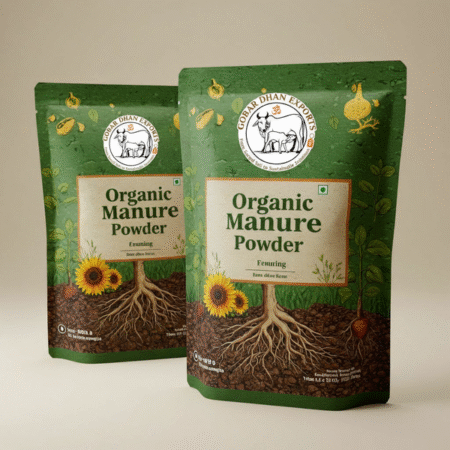
Cow manure is fundamentally a rich source of organic matter and vital plant nutrients.
- Nutrient Rich: It contains key macronutrients, typically in a ratio of around 3% Nitrogen (N), 2% Phosphorus (P), and 1% Potassium (K), often referred to as a 3-2-1 NPK ratio. It also provides essential micronutrients like calcium, magnesium, sulfur, iron, and zinc.
- Soil Structure Improvement: The high organic content helps to aggregate soil particles, making the soil more loose and porous. This enhances aeration, water-holding capacity, and drainage, creating an optimal environment for root growth.
- Microbial Activity: It introduces and supports a thriving population of beneficial microorganisms in the soil, which helps break down organic matter and convert nutrients into forms plants can easily absorb.
- Eco-Friendly: Using cow manure reduces reliance on synthetic chemical fertilizers, contributing to lower chemical runoff and a smaller carbon footprint associated with fertilizer production.
Panchagavya Products
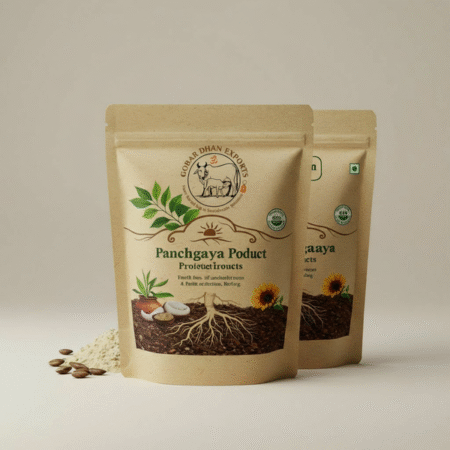
Panchagavya (also spelled Panchakavya) is a powerful, traditional concoction whose name literally means “Five (Pancha) Products of the Cow (Gavya).” Originating in Vedic culture and widely used in Ayurveda and organic farming, it is revered for its purifying and beneficial properties.
1. The Five Core Ingredients
The mixture is defined by its five primary constituents, which are all direct or derived products from the cow:
- Gomay (Cow Dung): Provides organic matter and beneficial microflora.
- Gomutra (Cow Urine): Believed to be rich in minerals and potent micro-organisms.
- Kshira (Cow Milk): Offers calcium and other nutrients.
- Dadhi (Cow Curd/Yogurt): A source of Lactobacillus and other beneficial bacteria.
- Ghrita (Cow Ghee/Clarified Butter): Acts as a preservative, a fatty base for medicinal properties, and a source of saturated fats.
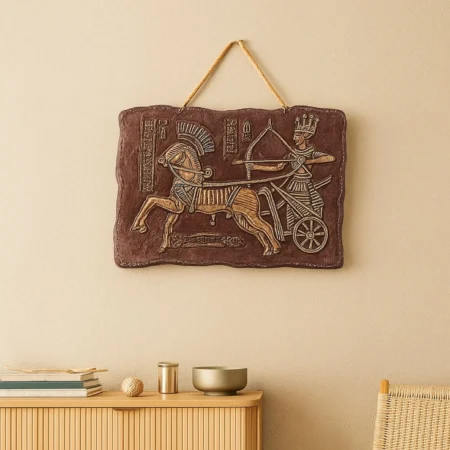
Cow Dung Based Art & Decor
The use of cow dung in decorative and practical applications is deeply rooted in history:
- Village Plastering: For centuries in rural India, a mixture of cow dung and mud/clay has been used to plaster the floors and walls of homes. This traditional coating is valued for several properties:
- Insulation: It keeps homes cool in summer and warm in winter.
- Antimicrobial Action: It is believed to possess natural antibacterial and anti-fungal properties, contributing to a healthier indoor environment.
- Aesthetics: It provides a smooth, earthy, and appealing matte finish.
- Art Forms: In certain African cultures, like the Imigongo art of Rwanda, cow dung is the primary medium, mixed with ash and applied to wooden boards to create intricate spiral and geometric designs.

Natural Incense & Agarbatti
A powerful emerging trend is the production of incense that uses processed cow dung as a key ingredient, often as the base material instead of charcoal or wood sawdust.
- Eco-Friendly Base: Cow dung, revered in Vedic tradition, replaces charcoal, making the incense charcoal-free. Charcoal often produces potentially harmful smoke and is associated with respiratory irritation.
- Purifying Properties: When mixed with herbs and resins (like Loban or Neem), the smoke emitted from these products is traditionally believed to possess antimicrobial and air-purifying qualities, aligning with the ancient practice of Agnihotra (fire ritual).
- Forms: This category typically includes Dhoop Sticks, Dhoop Cones, and Havan Cups (often referred to as Sambrani cups).
- Sustainability: It contributes to the circular economy by converting a waste product into a valuable and sought-after commodity, supporting Gaushalas (cow shelters) and rural livelihoods.
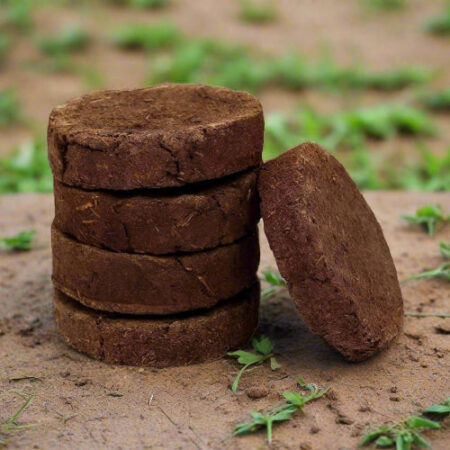
Gobar Bricks for Havan/Yagna
Gobar bricks are essentially dense, compressed fuel logs or cakes made from the primary component of the cow:
- Primary Material: Dried cow dung (Gobar).
- Binders and Additives: The dung is often mixed with other natural materials to enhance combustion and aroma, such as:
- Hay, husk, or straw: Provides fiber and structure.
- Wood powder or sawdust: Improves burn time and temperature.
- Ghee (clarified butter): Often mixed in to enrich the quality of the flame and smoke, and for its auspiciousness.
- Dried sacred herbs: Sometimes included for their aromatic and purifying properties.
- Process: The raw mix is pressed into standardized brick or cylindrical log shapes using specialized molds or machines,
